



Branch Out with BIPOC Nature Writing

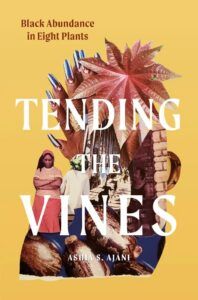
No matter how complicated or confusing your problems may be, answers can always be found in the natural world. Nature writing can teach us something new about science and the plants and animals we encounter every day. But it can also guide us through dark moments and provide a new philosophy for leading a purposeful life. These nonfiction books of BIPOC nature writing focus their attention on a variety of plants, animals, and other environmental subjects, and all of them are sure to shift your perspective.
Colonizer logic tells us that nature is for exploiting. Plants, animals, and natural resources are all meant to be plundered for human advancement. Indigenous and diverse perspectives remind us that without our environment, humanity wouldn’t exist. These examples of BIPOC nature writing call for a more holistic view of the natural world and humans’ place within it. Spend some time with these powerful narratives and then go outside and touch grass. (Respectfully.)
Get 15% off annual All Access memberships for a limited time in celebration of Book Riot’s 15th anniversary! Savings amount to more than 3 months of free unlimited access to our entire content archive, plus features like Collections and the New Release Index. Claim your savings and start leveling up your reading life.
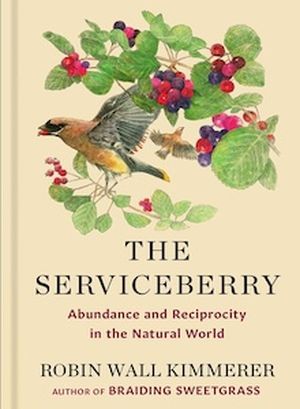
The Serviceberry: Abundance and Reciprocity in the Natural World by Robin Wall Kimmerer
Perhaps you’ve heard of Robin Wall Kimmerer’s bestselling 2013 book Braiding Sweetgrass. (If you haven’t, get out from under that rock and read it already!) In her extended essay The Serviceberry, featuring beautiful illustration by John Burgoyne, Kimmerer contemplates what lessons we can learn from the humble serviceberry about reciprocity, interconnectedness, and community. Drawing on Indigenous wisdom and ecology, Kimmerer shares how serviceberry trees positively impact every element of their environment — and how we might do the same in our everyday lives.

When Trees Testify: Science, Wisdom, History, and America’s Black Botanical Legacy by Beronda L. Montgomery
This phenomenal book by environmental scholar Dr. Beronda L. Montgomery explores Black American history in a narrative journey through the world of trees. From the role of sycamores in the Underground Railroad to the Black botanist who domesticated pecan trees to the natural medicinal properties of willows, it’s a brilliant combination of science and history with a unique perspective on trees’ ability to carry human memory. I read it six months ago and still haven’t stopped thinking about it.
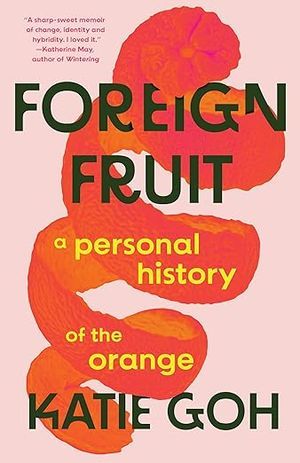
Foreign Fruit: A Personal History of the Orange by Katie Goh
The orange tree, native to China, was once seen as an exotic luxury for European royals. Now it’s grown all over the globe, and oranges and other cultivated citrus fruits have become a staple in almost every cuisine. Tying the history of the orange tree to her own Chinese-Malaysian heritage, Northern Irish writer Katie Goh examines the widespread roots of orange trees and what they can teach us about globalization. It’s a nature-centered microhistory that expands into a wide range of topics.
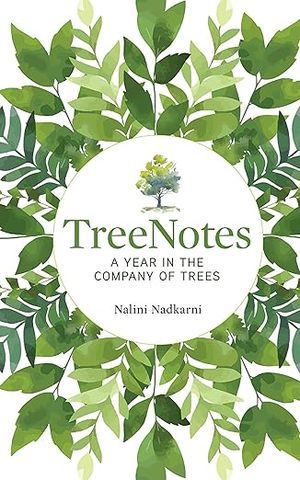
TreeNotes: A Year in the Company of Trees by Nalini Nadkarni
I can feel you rolling your eyes as I list a fourth book in a row involving trees. But, frankly, I could read a hundred books about trees and still learn something new in every one. Forest ecologist Nalini Nadkarni fits a lot of intriguing tree facts into a small package with TreeNotes. Organized by seasons, Nadkarni journeys through the annual cycle of trees and highlights the many ways they shape our lives, from the food we eat to the physical objects we hold dear. It’s a quick and engaging read that might ignite your own passion for dendrology.
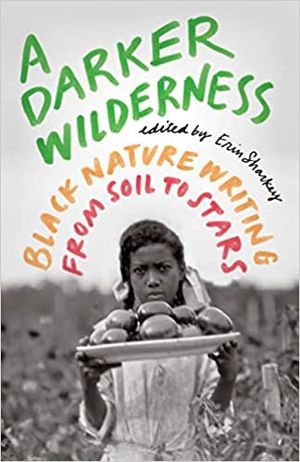
A Darker Wilderness: Black Nature Writing from Soil to Stars, edited by Erin Sharkey
Learn lessons from nature with essays by an array of notable Black writers in this breathtaking anthology. Authors including Alexis Pauline Gumbs, Ama Codjoe, Michael Kleber-Diggs, and more contemplate nature through archival objects in global Black history, placing a history of survival and resistance in conversation with the natural world. Kaleidoscopic in its visions of the past and present, it’s a book you’ll want to return to again and again.

Mother Earth is Our Elder: A Northern Indigenous Perspective on the Climate Crisis by Katłı̨̀à
Dene climate activist Katłı̨̀à believes that the only way to save our future from catastrophic climate change is by learning from Indigenous history and ancestors. Throughout the colonization of Canada, generations of Dene people have protected the Northwest Territories from environmental threats and worked to create balance between humans, animals, and the land on which they exist. Katłı̨̀à draws on Dene philosophy to address the crisis we now face with clarity, wisdom, and hope.
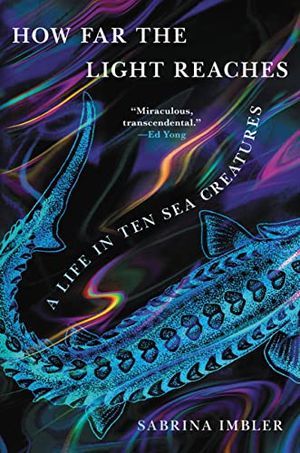
How Far the Light Reaches: A Life in Ten Sea Creatures by Sabrina Imbler
You’ll see the ocean in a whole new light after reading Sabrina Imbler’s brilliant essays weaving together memoir and scientific explorations of the underwater world. The peculiar mothering habits of octopuses serve as a window into Imbler’s complicated relationship with their own mother. Hybrid butterflyfish help illustrate Imbler’s perspective on their biracial identity. The resilient qualities of jellyfish become a metaphor for queer survival. Imbler is a remarkably talented writer, and their unique approach to nature writing makes this a book you’ll love diving into.
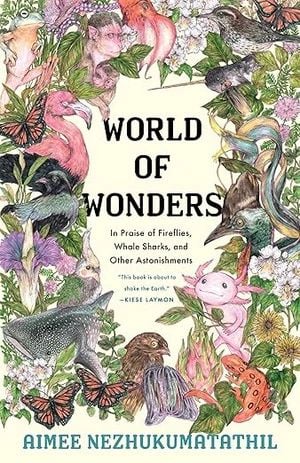
World of Wonders: In Praise of Fireflies, Whale Sharks, and Other Astonishments by Aimee Nezhukumatathil
I consider this gorgeous collection of micro essays a “Swiss army knife” book for recommending to customers while working at my local bookstore. Everyone could use a quiet moment of reflection on the magic of the natural world. Poet Aimee Nezhukumatathil enchantingly narrates a journey through the plants and animals that invoke a sense of childlike wonder, from axolotls and flamingos to corpse flowers and dragon fruits. Lushly illustrated by Fumi Nakamura, it’s a perfect reminder to stop and appreciate the everyday wonders our planet holds.
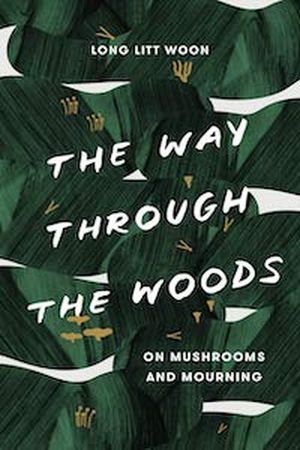
The Way Through the Woods: On Mushrooms and Mourning by Long Litt Woon, translated by Barbara J. Haveland
This poignant memoir may be tricky to find, as it’s currently out of print in the U.S. But it’s a beautiful story that I promise makes it worth digging through library catalogs and used book sources. After the untimely death of her husband, Long Litt Woon was consumed by grief and isolated in Norway, the country she’d moved to from Malaysia for her now lost love. To find a way out of her despair, she signed up for a mushrooming class for beginners. What she learned about the natural world, the interconnectedness of forests, and renewal helped her heal. Part memoir and part scientific exploration of fungi, it’s an unforgettable true story of moving forward after loss.
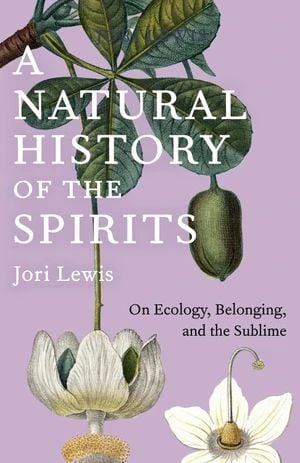
A Natural History of the Spirits: On Ecology, Belonging, and the Sublime by Jori Lewis (coming Nov. 10 from The New Press)
Weaving science and nature into history, culture, and folklore, journalist Jori Lewis seeks to understand what the natural world can teach us about the experience of being human. She probes the impact of colonialism and climate change on the ancient African baobab tree, the evolution and racist associations of the watermelon, what yellow gardenias can teach us about growing in our own environment, and much more. Lyrical, thought-provoking, and multidisciplinary, it’s a one-of-a-kind approach to nature writing. Preorder it now and thank me later.
We hope these works of BIPOC nature writing help you learn to appreciate the magic of the great outdoors! You might also enjoy:
8 Beautiful Books of Queer Science & Nature Writing






Share on: